Why digital marketing after building a website is essential? Many businesses believe that once a website is built, the hard work is done. But the truth is—a website without digital marketing is like a shop in the middle of the desert. It exists, but no one knows it’s there. Digital marketing is what brings visibility, traffic, engagement, and ultimately sales to your online presence.
Below is a detailed look at why digital marketing is essential after your website goes live and how each strategy contributes to your growth
1. SEO (Search Engine Optimization): The Foundation of Online Visibility
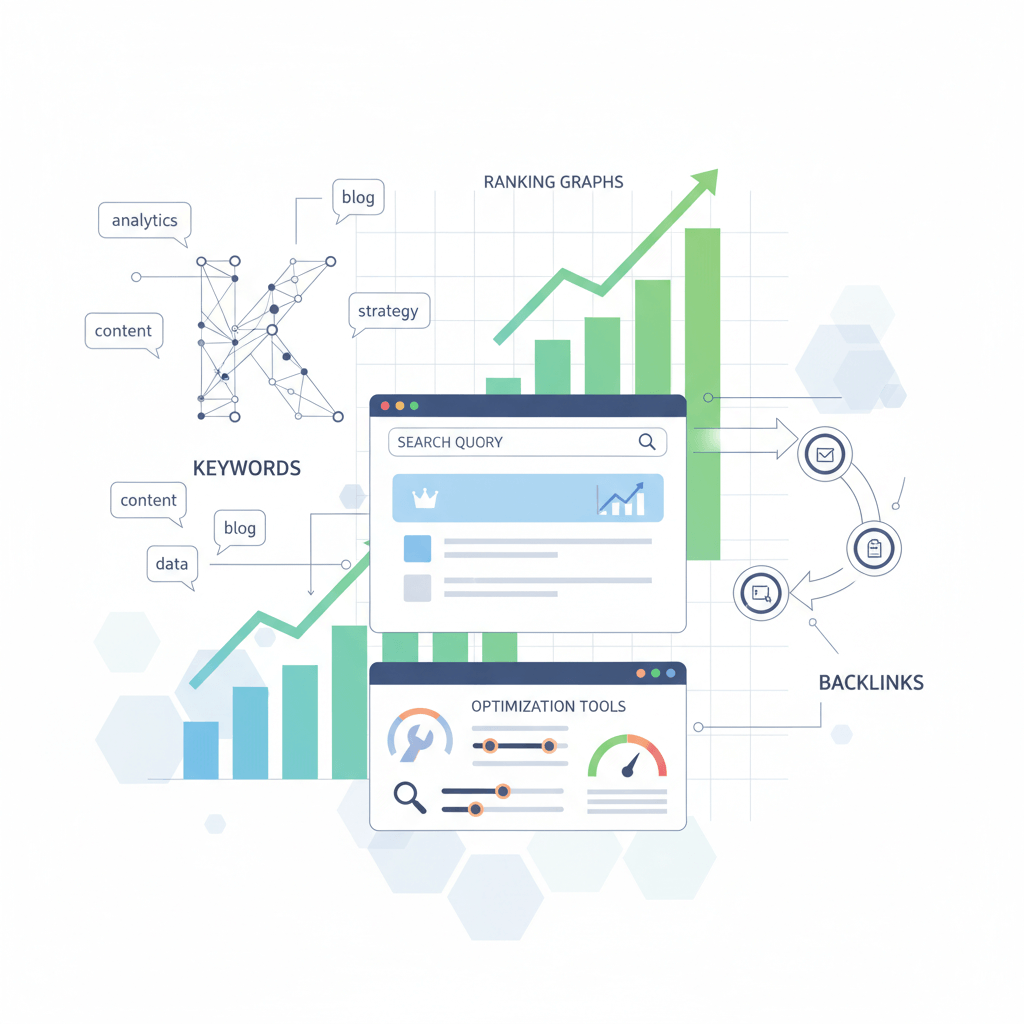
Search Engine Optimization is the process of improving your website so it appears higher on search engines like Google. Without SEO, even the most beautifully designed website will struggle to get organic traffic.
Why SEO Matters After Website Development
Increases visibility: Most users only click on the first 5–6 results on Google. SEO helps you claim one of those spots.
Targets the right audience: Keyword research ensures your website is shown to users actively searching for your products or services.
Improves user experience: On-page SEO (such as meta tags, headings, mobile-friendliness, and page speed) makes your website more intuitive.
Builds authority over time: Off-page SEO, including link building and local citations, boosts your site’s trust and credibility.
Most websites are built without mapping keywords to their pages. SEO should actually start before development—but if it didn’t, digital marketing ensures your published site is optimized to compete.
2. Content Marketing: Adding Value Beyond Your Services
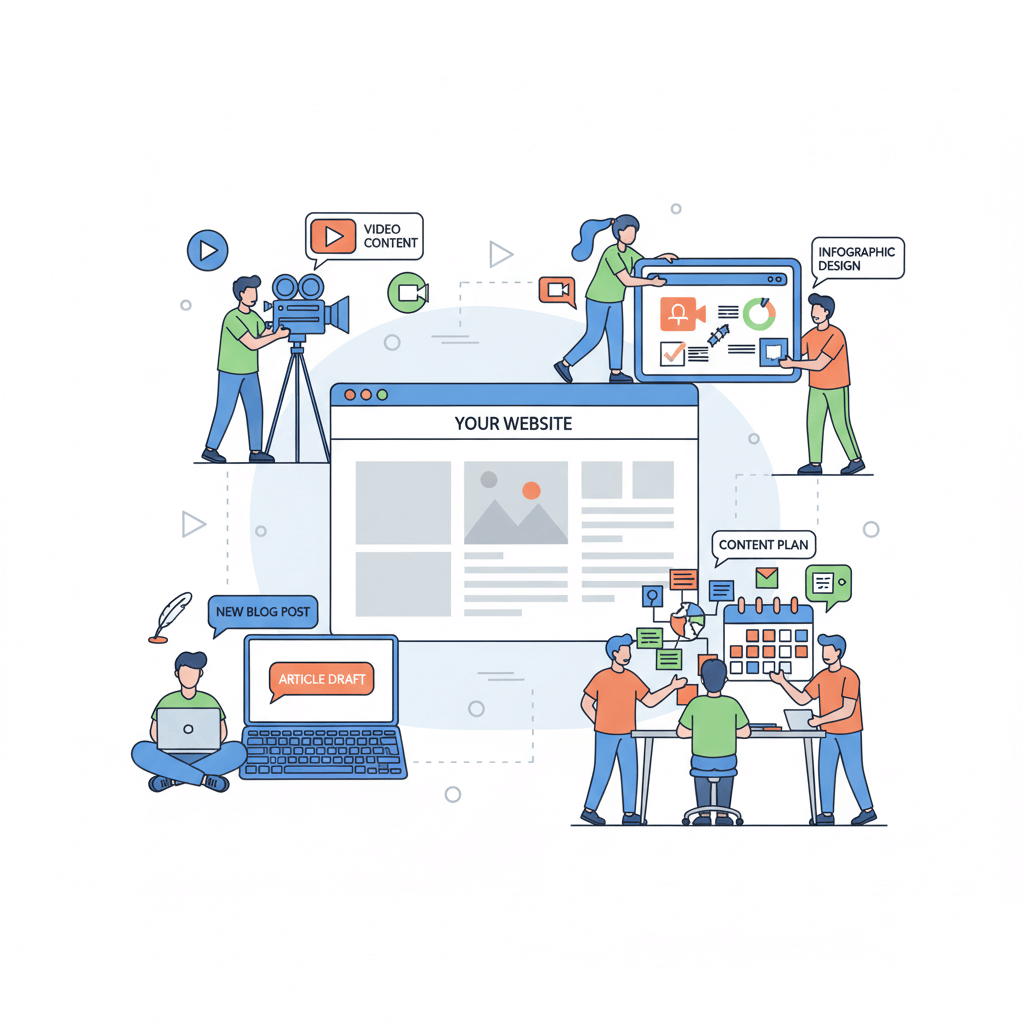
Your website should not just “exist”—it should educate, engage, and build trust. This is where content marketing plays a major role.
What Content Marketing Includes
Blog posts
Infographics
Instructional videos
Case studies
How-to guides
Social media content repurposed for your website
Why It Matters
Drives organic traffic: Consistent, optimized content helps you rank for multiple keywords.
Builds authority: High-quality content demonstrates expertise in your niche.
Keeps visitors engaged: The longer people stay on your website reading helpful information, the better your SEO performance.
People trust brands that teach rather than just sell. A website with powerful content creates emotional connection and long-term loyalty—something ads alone can’t achieve.
3. Social Media Marketing: Expanding Your Online Reach
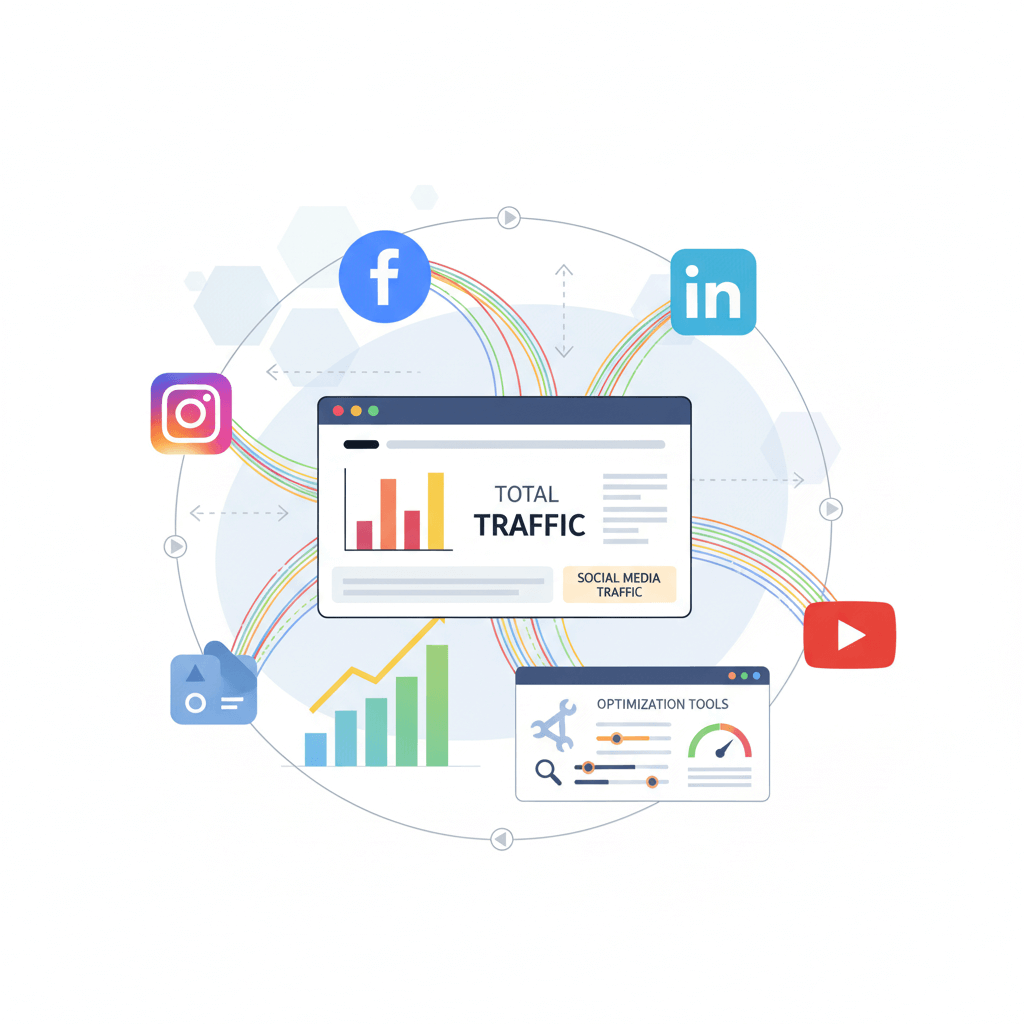
Having a website without promoting it on social media is a missed opportunity. Platforms like Instagram, Facebook, LinkedIn, and YouTube allow you to meet your audience where they already spend time.
Benefits of Social Media for Your Website
Drives targeted traffic: Links and call-to-actions bring users directly to your website.
Boosts brand awareness: Every post increases your online presence.
Encourages engagement: Likes, comments, and shares build trust and community.
Supports remarketing: You can retarget visitors who previously engaged with your content.
Social media now acts as a search engine, especially for younger audiences. Users search for brands on Instagram before Google—so your digital marketing strategy must capture attention where your audience is browsing.
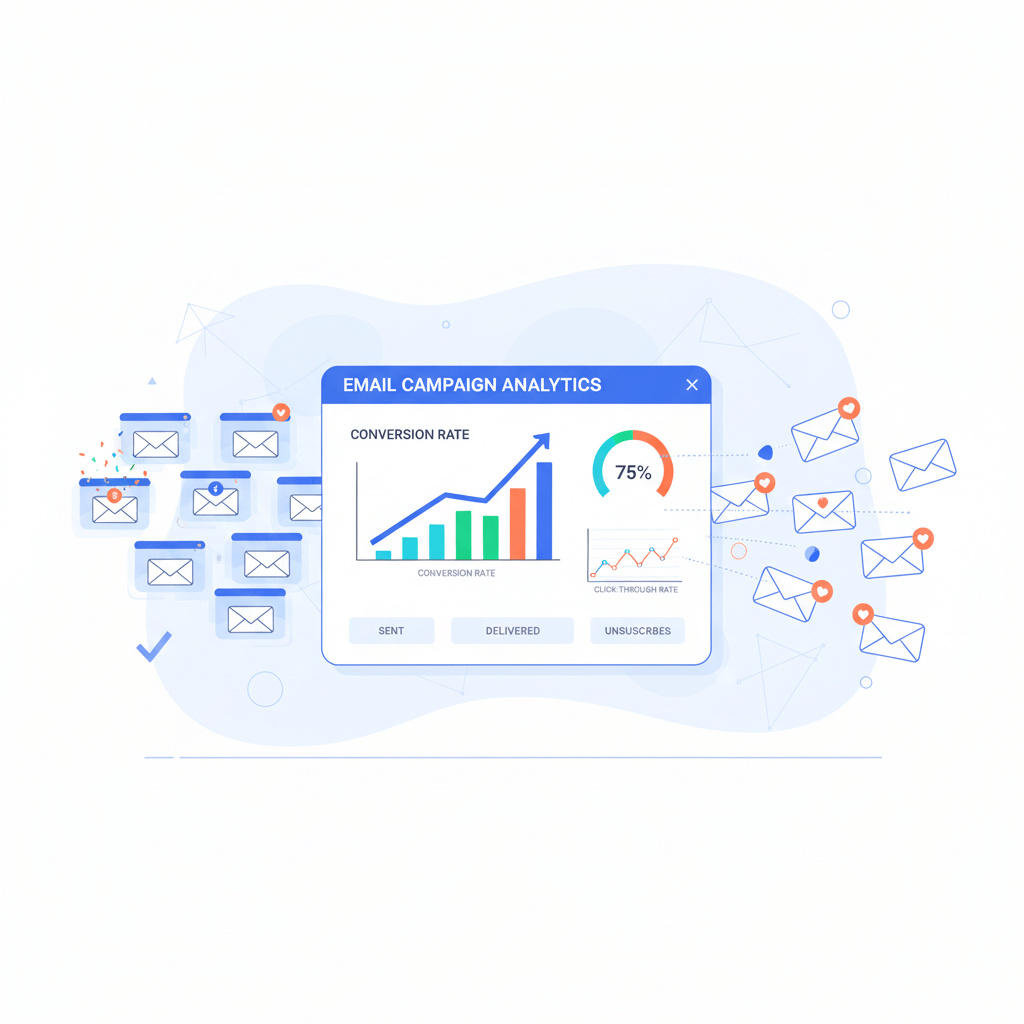
4. Email Marketing: Staying Connected With Your Audience
Email marketing is one of the highest-ROI digital marketing strategies. Once you collect emails through your website (via forms, lead magnets, or newsletters), you can build long-term communication.
Why Email Still Works
Direct communication: Your message lands straight in the customer’s inbox.
Personalized campaigns: Tailored offers increase conversions.
Nurtures leads: Helps move cold visitors into warm and ready-to-buy customers.
Increases repeat sales: Perfect for promotions, reminders, and updates.
While social media algorithms constantly change, email lists are fully owned by you. This makes email marketing one of the most secure and dependable strategies for long-term growth.
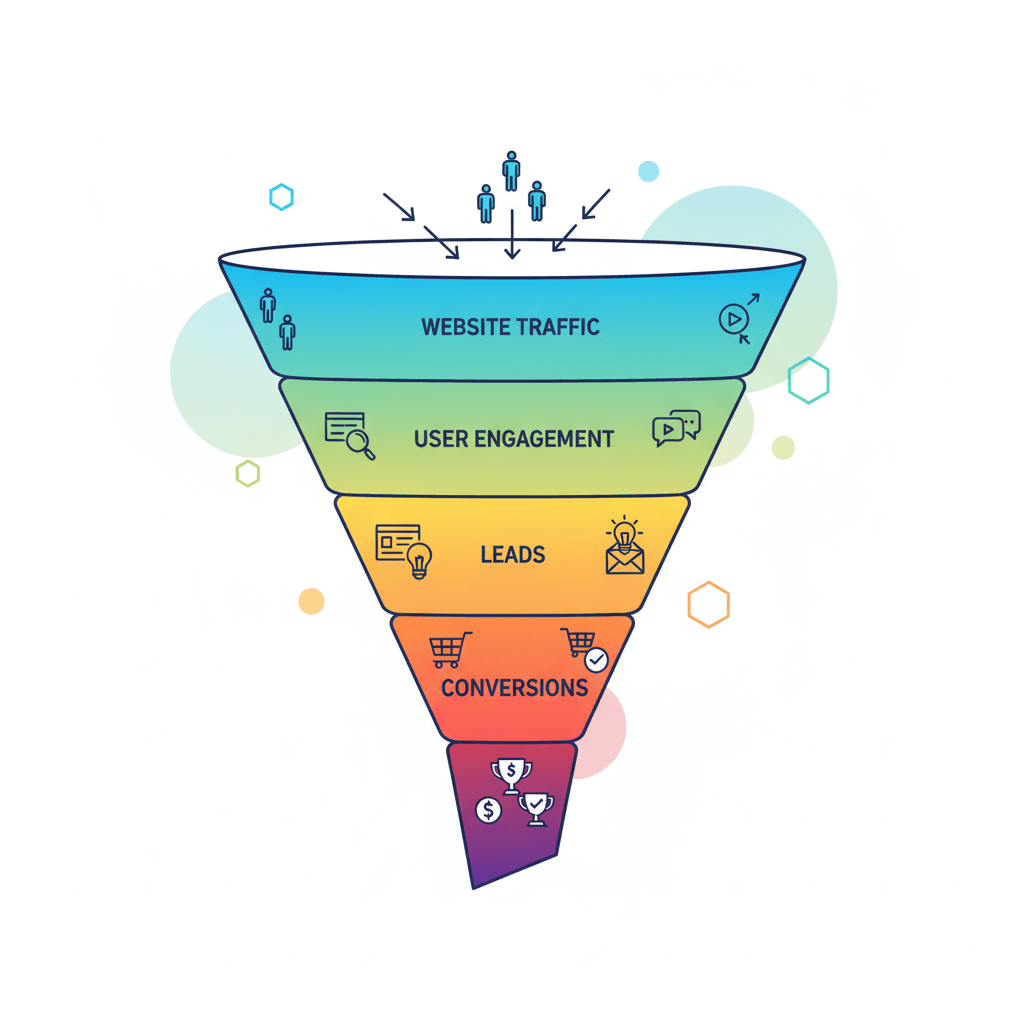
5. Traffic, Engagement, and Conversions: The Final Goal
Digital marketing isn’t about just “doing SEO” or “posting on social media.”
It’s about integrating all strategies to create a growth engine for your business.
How Digital Marketing Works Together
SEO brings organic traffic.
Content marketing keeps visitors engaged.
Social media spreads awareness and sends users back to your website.
Email marketing converts visitors into loyal customers.
When these work together, you get:
Higher website traffic
Increased user engagement
Improved lead quality
Better conversion rates
Stronger brand visibility
Websites fail not because of design, but because there is no consistent marketing engine behind them. Digital marketing continuously fuels your website’s growth.
Conclusion
Building a website is just the first step. Digital marketing is what transforms it into a revenue-generating asset. Whether you’re running a business, startup, or personal brand, investing in a strong marketing strategy ensures your website gets the traffic, engagement, and conversions it deserves.