Mobile marketing has become the backbone of successful customer relationships, but many businesses still rely on single-channel approaches that leave money on the table. Bulk SMS & WhatsApp messaging boost customer engagement and conversions by meeting customers where they already spend their time – on their phones.
This guide is for business owners, marketing managers, and entrepreneurs who want to build stronger customer connections and drive more sales through direct mobile communication. Whether you’re running a small local business or managing marketing for a growing company, these messaging strategies can transform how you connect with your audience.
We’ll explore the unique benefits of both SMS and WhatsApp for engaging customers, then dive into proven strategies that actually move the needle on conversions. You’ll also learn how to measure your results and fine-tune your campaigns for maximum impact.
Understanding the Power of Multi-Channel Mobile Marketing
Why customers prefer mobile messaging over traditional channels
- Mobile messaging has completely changed how businesses connect with their customers. People check their phones over 150 times daily, making mobile the most direct path to customer attention. Unlike emails that sit unread in cluttered inboxes or phone calls that interrupt daily routines, text messages and WhatsApp notifications appear instantly on lock screens.
- The preference shift is dramatic. Research shows that 98% of text messages are opened within three minutes, compared to just 20% of emails within the first hour. Customers love the convenience – they can respond when it suits them.
- Mobile messaging feels personal and immediate. When customers receive a text about their order status or a WhatsApp message with personalized offers, it creates a one-on-one conversation experience.
- The younger demographic especially drives this trend.
The psychology behind instant communication and customer response
- Human brains are wired to respond to instant gratification, and mobile messaging taps directly into this psychological trigger. When people hear a notification sound or see their phone light up, dopamine releases in their brain, creating an almost irresistible urge to check the message immediately.
- This instant response mechanism creates powerful marketing opportunities. Businesses can capitalize on impulse decisions by sending time-sensitive offers through SMS or WhatsApp.
- The brevity of mobile messages also plays a psychological role. Short, concise messages require less mental energy to process than lengthy emails or complex advertisements.
- Trust factors into the psychology as well. People associate their personal phone numbers with close relationships and important communications. When businesses earn permission to send messages to these private spaces, customers perceive higher value and authenticity in the communication.
Market statistics showing SMS and WhatsApp effectiveness
- The numbers tell a compelling story about mobile messaging effectiveness. SMS marketing campaigns achieve average open rates of 98%, while email marketing typically sees 20-25% open rates. Click-through rates for SMS hover around 36%, significantly higher than email’s 2-5% average.
- WhatsApp’s global reach is staggering, with over 2.7 billion active users worldwide. Business accounts on WhatsApp report response rates up to 70% higher than traditional customer service channels.
- Conversion statistics are equally impressive:
| Channel | Open Rate | Response Rate | Conversion Rate |
| SMS | 98% | 45% | 32% |
| 95% | 70% | 28% | |
| 22% | 8% | 3% | |
| Phone Calls | 30% | 15% | 18% |
- Customer acquisition costs through mobile messaging are typically 50-60% lower than traditional digital advertising. SMS campaigns generate an average ROI of 4,300%, making them one of the most cost-effective marketing channels available.
- Response speed statistics reveal why mobile messaging works so well. Average response time for SMS is 90 seconds, while WhatsApp messages receive replies within 5-10 minutes.
- These statistics demonstrate why forward-thinking businesses are shifting marketing budgets toward mobile messaging platforms and away from less effective traditional channels.
Key Benefits of Bulk SMS for Customer Engagement
Guaranteed High Open Rates and Instant Delivery
Text messages achieve an incredible 98% open rate, with most recipients reading their SMS within three minutes of receiving it. This level of engagement completely outperforms email marketing, which typically sees open rates hovering around 20-25%. The secret lies in how people interact with their phones – text notifications demand immediate attention, creating an almost guaranteed pathway to your customer’s attention.
The instant delivery aspect makes SMS perfect for time-sensitive communications. Whether you’re announcing flash sales, sending appointment reminders, or sharing urgent updates, your message reaches customers within seconds of hitting send.
Cost-Effective Reach to Large Customer Bases
Bulk SMS campaigns deliver exceptional value for marketing budgets. Compared to traditional advertising channels like print, radio, or television, text messaging costs pennies per message while reaching customers directly. Even small businesses can afford to send thousands of messages monthly, making it one of the most democratized marketing channels available.
The scalability factor is equally impressive. Whether you’re messaging 100 customers or 100,000, the per-unit cost remains consistently low. This efficiency allows businesses to maintain regular customer contact without breaking their marketing budget, enabling frequent touchpoints that keep brands top-of-mind.
Personal Touch That Drives Immediate Action
SMS feels inherently personal because it arrives in the same space where customers receive messages from friends and family. This intimate environment creates higher engagement levels and stronger emotional connections with your brand. Recipients perceive text messages as direct, one-on-one communication rather than mass marketing.
Cross-Demographic Appeal and Accessibility
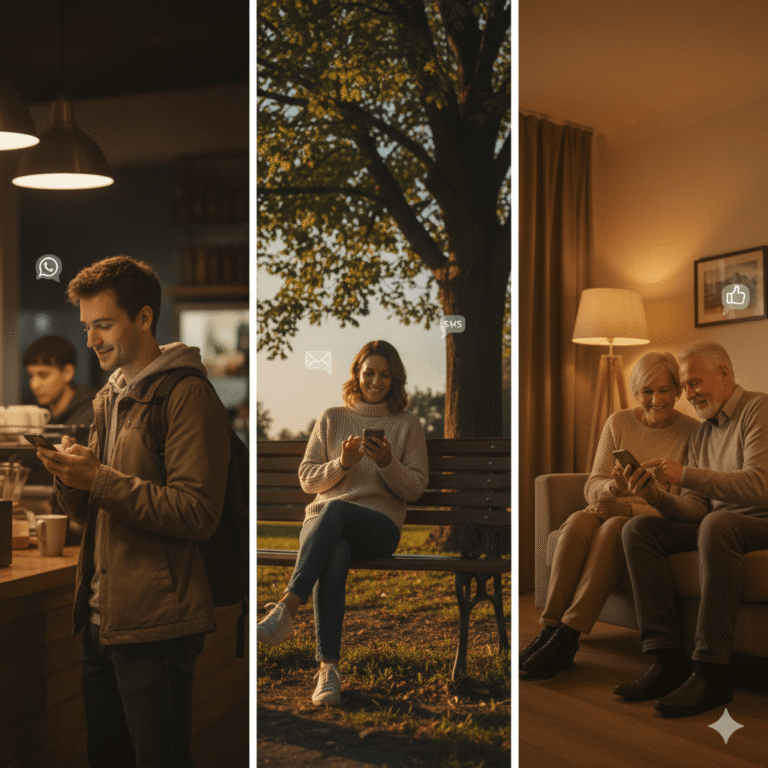
Unlike social media platforms that skew toward specific age groups, SMS works across all demographics. From teenagers to seniors, virtually everyone with a mobile phone can receive and respond to text messages. This universal accessibility eliminates the guesswork about platform preferences and ensures your message reaches your entire customer base.
WhatsApp Messaging Advantages for Business Growth
Rich Media Capabilities for Enhanced Customer Experience
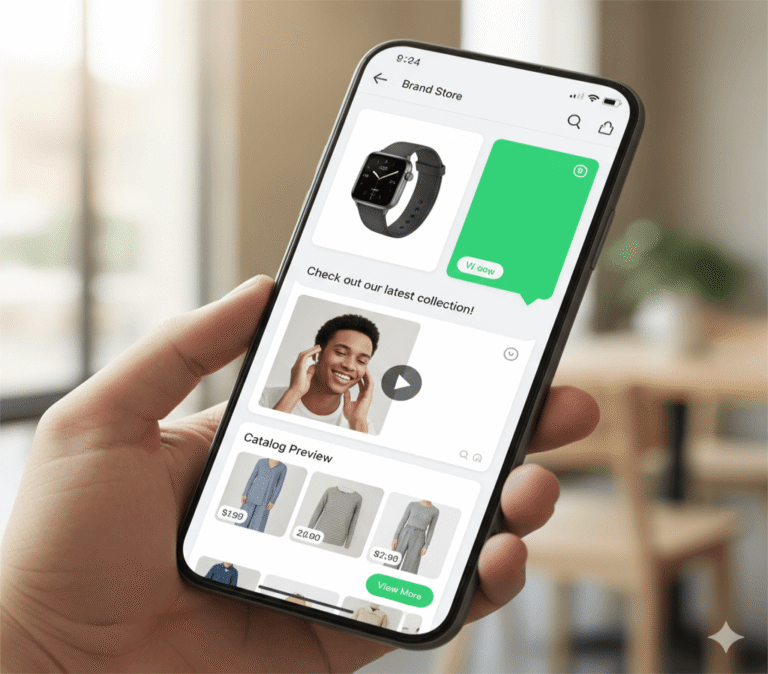
- WhatsApp transforms business communication by supporting various media formats that create immersive customer experiences. Unlike traditional SMS, you can send high-resolution images, videos, audio messages, documents, and interactive elements that capture attention and convey information more effectively.
- Product catalogs become dynamic showcases where customers can browse through multiple images, watch demonstration videos, and access detailed specifications instantly.
- Voice messages add a personal touch that builds trust and connection. Customers hear genuine enthusiasm in your voice when explaining product features or addressing concerns.
- Document sharing streamlines complex transactions. Send contracts, invoices, warranty information, and user manuals directly through chat.
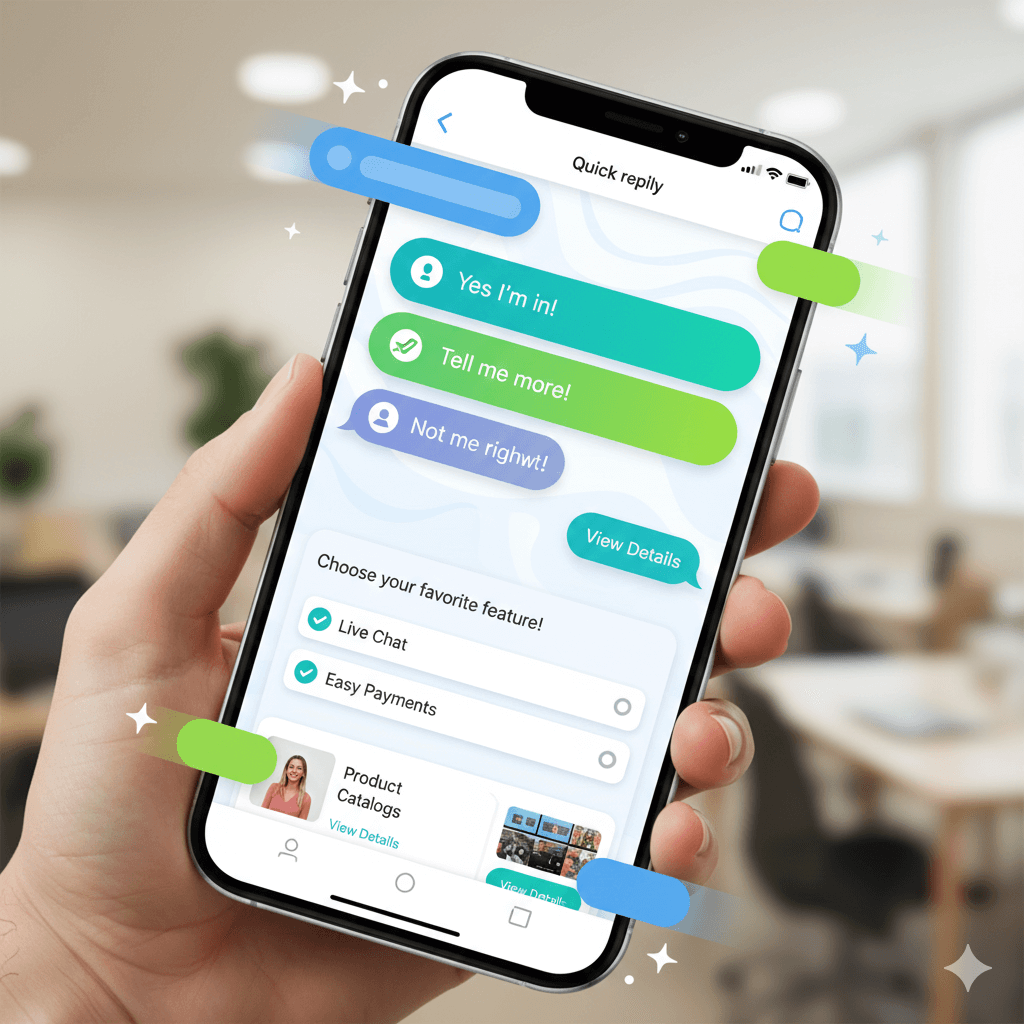
- Interactive buttons and quick replies simplify customer decision-making. Instead of typing responses, customers tap pre-configured options for common queries like “Check order status,” “Schedule appointment,” or “Request callback.” This reduces friction and speeds up the buying process.
Two-Way Conversation Opportunities for Relationship Building
- WhatsApp creates genuine dialogue between businesses and customers, moving beyond one-directional broadcasting to meaningful exchanges. This conversational approach builds stronger relationships that translate into increased customer lifetime value and brand advocacy.
- Customer service becomes proactive rather than reactive. You can follow up on purchases, check satisfaction levels, and address potential issues before they escalate. This attention to customer care creates positive experiences that customers share with friends and family.
- Real-time problem-solving demonstrates your commitment to customer success. When issues arise, customers expect immediate support.
- Personalized recommendations emerge from ongoing conversations. As you learn about customer preferences, lifestyle, and needs, you can suggest relevant products and services at the perfect moment.
- Feedback collection becomes natural and continuous. Instead of formal surveys, customers share honest opinions through casual chat conversations. This real-time input helps you improve products, services, and customer experience based on actual user insights.
Higher Engagement Rates Through Familiar Platform Usage
- WhatsApp’s widespread adoption gives businesses access to customers’ most frequently used communication channel. People check WhatsApp multiple times daily, making your messages more likely to be seen and acted upon compared to emails or traditional advertising.
- The platform’s casual, friendly environment reduces customer resistance to business communication.
- Push notifications ensure your messages reach customers immediately, even when they’re using other apps. This instant delivery creates opportunities for time-sensitive offers, flash sales, and urgent updates that drive immediate action.
- Group messaging enables community building around your brand. Create customer groups for product updates, exclusive offers, or peer-to-peer support.
- Status updates provide another touchpoint for brand visibility. Share behind-the-scenes content, new arrivals, and company news through WhatsApp Status.
Global Reach with Localized Communication Options
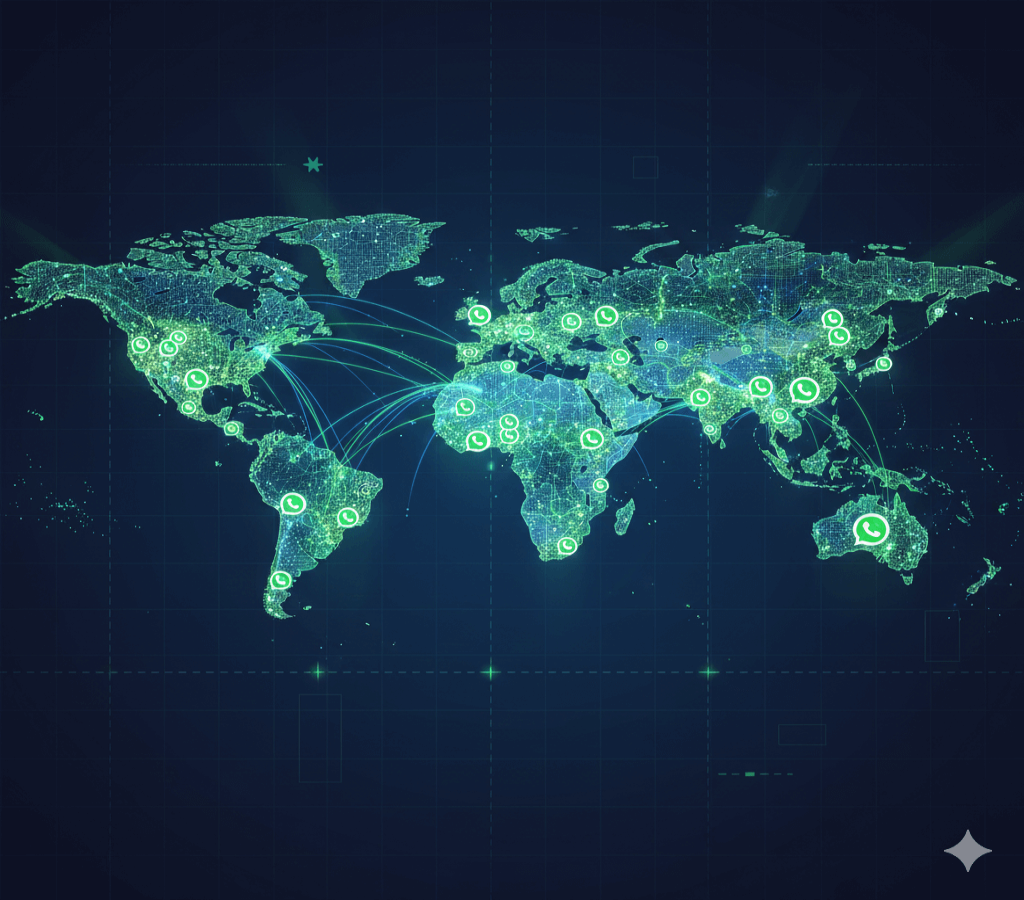
- WhatsApp operates in over 180 countries, giving businesses unprecedented access to international markets without complex infrastructure investments. Your small business can communicate with customers across continents using a single platform.
- Multi-language support enables authentic local communication. Send messages in customers’ native languages, respecting cultural nuances and communication styles that build trust in foreign markets. This localization increases conversion rates and customer satisfaction.
- Time zone awareness helps you send messages when customers are most likely to engage. Schedule campaigns for optimal local times, ensuring your messages arrive during business hours or peak activity periods in each market.
- Currency and payment integration simplifies international transactions. Share product prices in local currencies and integrate with regional payment systems through WhatsApp Business API. This removes barriers that often prevent cross-border sales.
- Cultural adaptation becomes easier through visual communication. Images and videos transcend language barriers, allowing you to showcase products and services effectively regardless of linguistic differences. Local influencers and customer testimonials add credibility in new markets.
- Regional compliance features ensure your messaging meets local regulations and privacy requirements. WhatsApp’s built-in security and data protection help you maintain customer trust while expanding globally.
Proven Strategies to Boost Customer Engagement
Timing Optimization for Maximum Message Impact
- The right timing can make or break your messaging campaigns. Research shows that SMS messages have optimal open rates between 8 AM and 9 AM, and again from 6 PM to 8 PM when people typically check their phones. WhatsApp messages perform best during lunch hours (12 PM – 2 PM) and early evenings.
- Different industries see varying peak engagement times. Retail brands find success sending promotional messages on weekends when customers have time to shop. B2B companies should focus on Tuesday through Thursday mornings when decision-makers are most active. Restaurant chains see amazing results sending lunch specials around 11 AM and dinner promotions by 4 PM.
- Consider time zones when running national campaigns. Segment your audience geographically and schedule messages to hit local peak hours.
Personalization Techniques That Increase Response Rates
- Generic messages get ignored, but personalized content drives action. Start with basic personalization like using the customer’s first name in your messages. This simple step can increase engagement by up to 35%.
- Go deeper by leveraging purchase history and browsing behavior. Send targeted product recommendations based on what customers bought previously or items they viewed on your website.
- Behavioral triggers create powerful personalization opportunities. Send cart abandonment messages within 2-4 hours when customers leave items behind.
- Dynamic content allows you to create message templates that automatically populate with relevant information for each recipient.
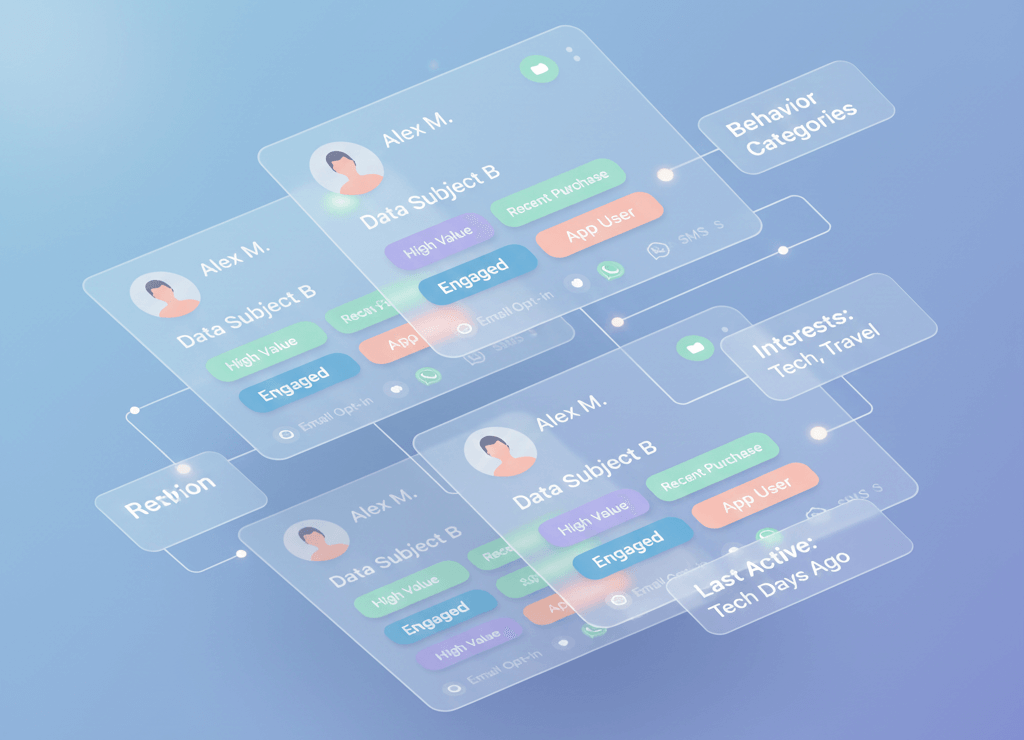
- Segment your audience based on demographics, purchase patterns, engagement levels, and preferences. Create distinct messaging strategies for new customers, loyal repeat buyers, and win-back campaigns for inactive users. The more relevant your message feels to each individual, the higher your response rates will climb.
Follow-up Sequences That Nurture Leads to Sales
- Your first message rarely converts, so design follow-up sequences that gradually build trust and address objections. Map out a customer’s typical journey from awareness to purchase, then create messages for each stage.
- Start with educational content that positions you as a helpful expert rather than a pushy salesperson. Share tips, answer common questions, and provide valuable insights related to your products or services.
- Space your follow-ups strategically. Too frequent and you’ll annoy customers; too sparse and you’ll lose momentum. A typical sequence might include immediate confirmation, a welcome message 24 hours later, helpful content after three days, a special offer at one week, and a final check-in after two weeks.
- Address common objections in your sequence. If price is a barrier, highlight value and offer payment plans. If trust is an issue, share testimonials and guarantees.
- Personalize your follow-ups based on customer behavior. If someone viewed a specific product but didn’t buy, send related recommendations or address concerns about that particular item. Use their browsing history and previous purchases to make your suggestions relevant and timely.
Interactive Content That Encourages Customer Participation
- Interactive messaging transforms passive recipients into active participants. Quick polls and surveys collect valuable feedback while keeping customers engaged. Ask simple questions like “Rate your recent experience” or “Which product would you like to see next?”.
- WhatsApp’s interactive buttons make it easy for customers to respond without typing. Create quick-reply options like “Yes, I’m interested,” “Send more info,” or “Schedule a call.”
- Gamification elements boost engagement levels. Run contests where customers share photos using your products, or create treasure hunts with clues delivered through SMS.
- Quiz-style content educates while entertaining. Beauty brands can send “Find your perfect shade” quizzes, while fitness companies might offer “What’s your workout style?” assessments. Follow up quiz results with personalized product recommendations.
- User-generated content campaigns encourage customers to share their experiences. Ask satisfied customers to send testimonials, reviews, or photos via WhatsApp.
- Create appointment booking flows directly through messaging. Customers can check availability, select time slots, and confirm appointments without leaving the conversation.
- Consider chatbot integration for 24/7 interactive support.
Conversion-Focused Messaging Techniques
Crafting Compelling Call-to-Action Messages
- Your call-to-action can make or break your conversion rates. The best CTAs speak directly to your customer’s needs and emotions while making the next step crystal clear. Start with action-oriented verbs that create momentum: “Grab,” “Discover,” “Unlock,” “Claim,” or “Get.” Pair these with specific benefits rather than generic phrases.
- Instead of “Click here to learn more,” try “Unlock 30% savings on your next order” or “Get your free consultation in 5 minutes.” The difference is immediate and measurable. Your CTA should answer the customer’s internal question: “What’s in it for me?”.
- Keep your language simple and direct. Test different variations to see what resonates with your audience. Some customers respond to exclusive language like “VIP access” or “Members only,” while others prefer straightforward benefits like “Save money now” or “Fix this problem today.”
Creating Urgency Without Being Pushy
- Authentic urgency drives action, but fake scarcity backfires quickly. Build genuine urgency around real deadlines, limited inventory, or time-sensitive offers. Flash sales, seasonal promotions, and limited-edition products naturally create urgency without manipulation.
- Use specific timeframes instead of vague statements. “Sale ends tomorrow at midnight” works better than “Limited time offer.” Include countdown timers in your messages when appropriate, but only when the deadline is real.
- Focus on what customers might miss rather than pressuring them to buy. Phrases like “Don’t miss out on” or “Last chance to” feel less aggressive than “Buy now or lose forever.” Share the story behind your urgency – if you’re clearing inventory for new arrivals, say so. Transparency builds trust while maintaining urgency.
Segmentation Strategies for Targeted Campaigns
- Smart segmentation turns generic messages into personal conversations. Start with basic demographics like age, location, and purchase history, then layer on behavioral data such as browsing patterns, engagement levels, and previous responses to campaigns.
- Create segments based on customer lifecycle stages: new subscribers, first-time buyers, repeat customers, and inactive users. Each group needs different messaging approaches.
- Consider psychographic segmentation too. Some customers are price-sensitive bargain hunters, while others prioritize quality and convenience. Tag customers based on their preferences and tailor your messaging accordingly.
- Geographic segmentation matters for location-specific offers, weather-related products, and regional preferences. Time zone targeting ensures your messages arrive when customers are most likely to engage.
Measuring Success and Optimizing Campaign Performance
Essential Metrics to Track Engagement and Conversions
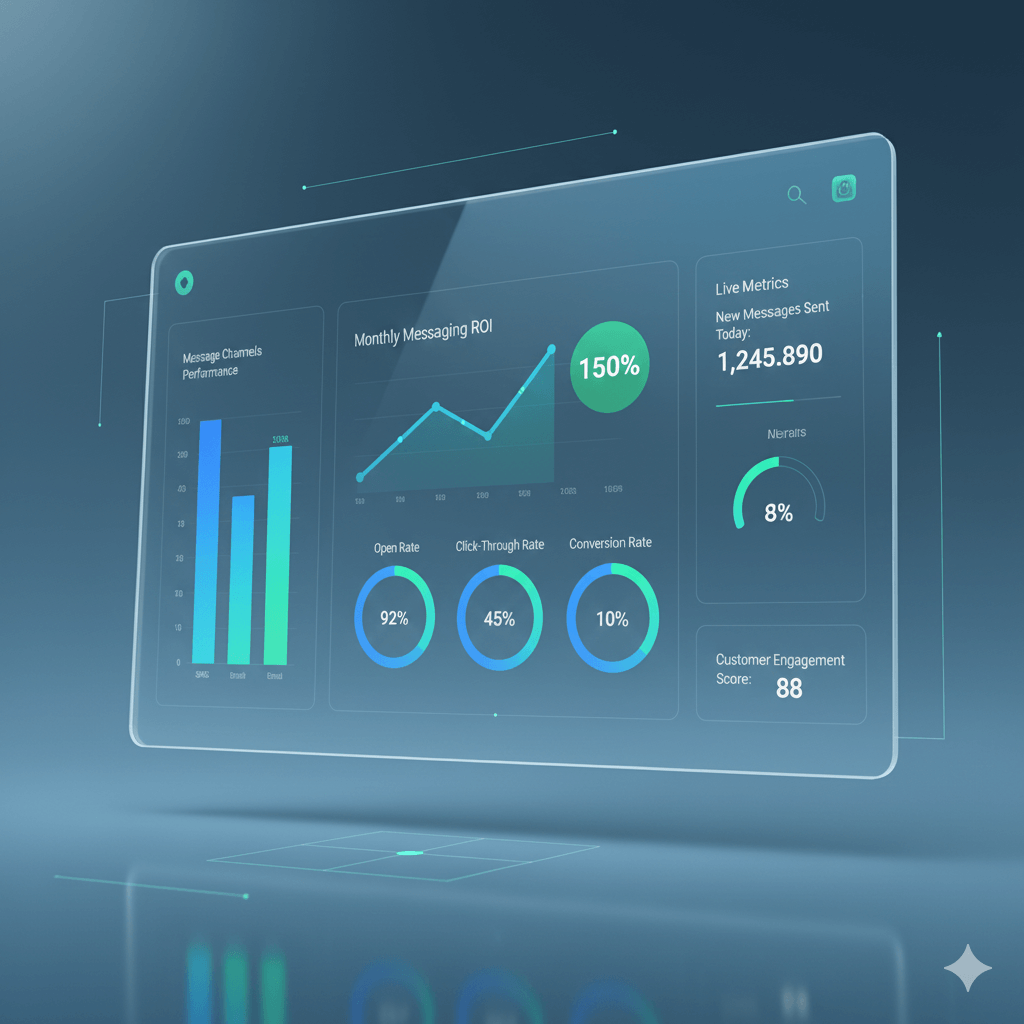
- Your messaging campaigns generate tons of data, but knowing which numbers actually matter can make or break your success. Open rates serve as your first checkpoint – they reveal how compelling your subject lines and sender names are to recipients. For SMS, healthy open rates typically hover around 95-98%, while WhatsApp messages see slightly lower but still impressive rates of 85-90%.
- Click-through rates (CTR) tell the real story of engagement. This metric shows how many people took action after reading your message. SMS campaigns usually achieve CTRs between 15-25%, significantly higher than email marketing.
- Conversion tracking connects your messaging efforts directly to business outcomes. Track purchases, sign-ups, downloads, or whatever action drives your business forward. Response time metrics reveal how quickly customers engage with your messages – faster responses typically indicate higher interest and better message timing.
- Delivery rates and bounce rates help you maintain list hygiene. Failed deliveries waste resources and can damage your sender reputation. Monitor unsubscribe rates to gauge message relevance and frequency appropriateness.
- Customer lifetime value (CLV) changes provide long-term perspective on campaign effectiveness. Track how messaging campaigns influence repeat purchases and customer retention over months, not just immediate conversions.
A/B Testing Methods for Continuous Improvement
- Split testing transforms guesswork into data-driven decisions. Start with message timing – test sending campaigns at different hours and days to identify when your audience is most responsive. Many businesses discover surprising patterns, like higher engagement during lunch hours or weekend evenings.
- Message content variations reveal what resonates with your audience. Test different tones (urgent vs. friendly), message lengths (concise vs. detailed), and call-to-action phrases. Even small changes like “Shop Now” versus “Discover More” can create significant performance differences.
- Personalization levels offer rich testing opportunities. Compare generic messages against those using customer names, purchase history, or location-based content.
- Visual elements in WhatsApp campaigns deserve testing attention. Compare text-only messages against those with images, emojis, or GIFs. Different customer segments often prefer different visual styles.
- Testing sender information can dramatically impact open rates. Try various sender names, phone numbers, or WhatsApp Business profiles to see which builds more trust and recognition with your audience.
- Run tests with adequate sample sizes – typically at least 1,000 recipients per variation for reliable results. Test one element at a time to clearly identify what drives performance changes.
ROI Calculation for SMS and WhatsApp Campaigns
- Calculating return on investment starts with identifying all campaign costs. Include platform fees, message costs, staff time for campaign creation, and any third-party tools or services. SMS costs vary by country and carrier, typically ranging from $0.01 to $0.10 per message. WhatsApp Business API charges per conversation, not individual messages.
- Revenue attribution requires careful tracking. Use unique promo codes, dedicated landing pages, or UTM parameters to connect sales directly to specific campaigns. Many businesses underestimate their messaging ROI because they only track immediate purchases, missing delayed conversions that happen days or weeks later.
- Customer acquisition cost (CAC) through messaging campaigns often proves more cost-effective than traditional advertising. Calculate how much you spend to acquire each new customer through SMS or WhatsApp compared to social media ads or Google AdWords.
- Retention value calculations show messaging’s long-term impact. Customers engaged through messaging often exhibit higher lifetime values. Track how messaging campaigns affect repeat purchase rates, average order values, and customer lifespan.
| Campaign Type | Typical Cost | Average CTR | ROI Range |
| SMS Promotional | $0.02-0.08/msg | 15-25% | 300-500% |
| SMS Transactional | $0.01-0.05/msg | 25-35% | 200-400% |
| WhatsApp Marketing | $0.005-0.02/msg | 20-40% | 400-800% |
| WhatsApp Support | $0.01-0.03/conversation | N/A | 150-300% |
- Factor in soft benefits like improved customer satisfaction, reduced support costs, and enhanced brand loyalty. These indirect returns often exceed direct sales impact but require longer-term measurement approaches.
Conclusion
Bulk SMS marketing and WhatsApp messaging aren’t just trendy marketing tools—they’re powerful engines that can transform how you connect with customers and drive real business results. When you combine the immediate reach of SMS with WhatsApp’s rich media capabilities, you create a multi-channel approach that meets customers where they are and speaks their language. The proven strategies we’ve covered, from timing your messages right to crafting compelling calls-to-action, give you the roadmap to turn casual browsers into loyal buyers.
Ready to supercharge your customer engagement? Start small by testing one channel with a targeted campaign, track your results closely, and scale what works. Your customers are already on their phones—now it’s time to reach them with messages that matter. The businesses winning today aren’t just sending more messages; they’re sending smarter ones that create genuine connections and drive conversions that actually move the needle.