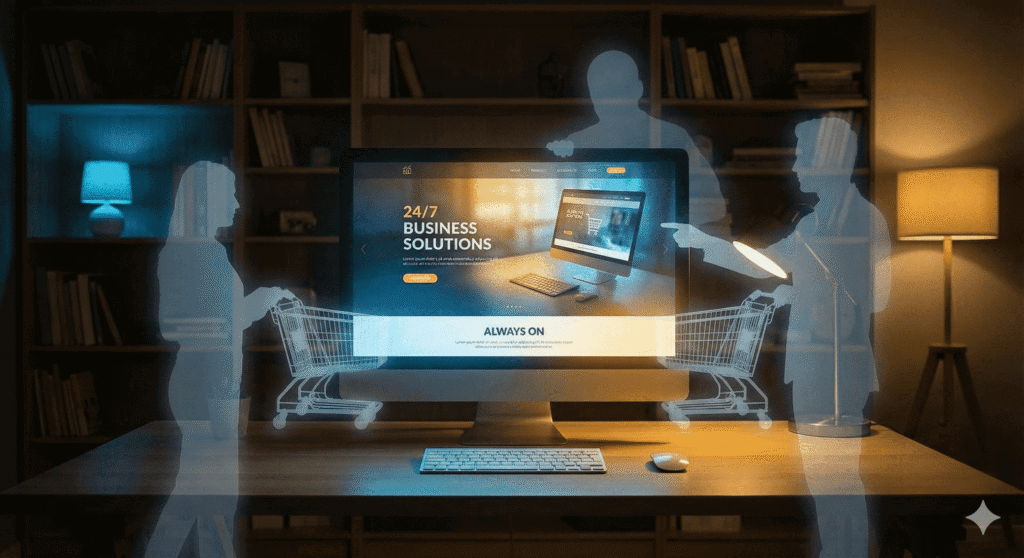
Artificial Intelligence (AI) has evolved from a futuristic concept to a decisive force shaping modern businesses—especially E-commerce. At its core, AI refers to machines and software capable of learning, analyzing data, recognizing patterns, and making independent decisions with minimal human involvement.
In the world of E-commerce, where competition is fierce and consumer expectations rise every day, AI has become a fundamental driver of innovation. Its ability to automate workflows, predict customer preferences, and streamline complex operations has made AI not just an advantage, but a necessity. Today, brands that adopt AI early are witnessing faster growth, higher conversions, and stronger customer loyalty than their competitors.
Impact on Consumer Behavior
AI has transformed how consumers discover, interact with, and purchase products online. Modern shoppers expect hyper-personalized experiences—and AI delivers precisely that.

1. Personalized Shopping Experiences
Machine learning algorithms track customer activity across websites, apps, and even social media to understand individual purchasing patterns. This allows businesses to show tailored product recommendations, dynamic pricing, and targeted content for every user.
For example:
AI systems analyze past purchases and browsing history to curate “Recommended for You” product lists.
Predictive engines show discounts to specific customers who are likely to respond, increasing conversions without reducing overall margins.
2. Data Analysis and Predictive Modeling
AI can process massive datasets within seconds, something human teams cannot accomplish. Brands use predictive modeling to anticipate:
What customers might search for next
Which products will trend next week or next quarter
When a user is most likely to abandon a cart
By understanding these patterns early, E-commerce platforms can adapt their marketing strategies instantly—resulting in more sales and fewer missed opportunities.
AI in Inventory Management
Inventory challenges like overstocking, stockouts, and long replenishment cycles can significantly affect business profitability. AI provides a smart, automated approach to overcome these problems.
1. Smarter Inventory Tracking
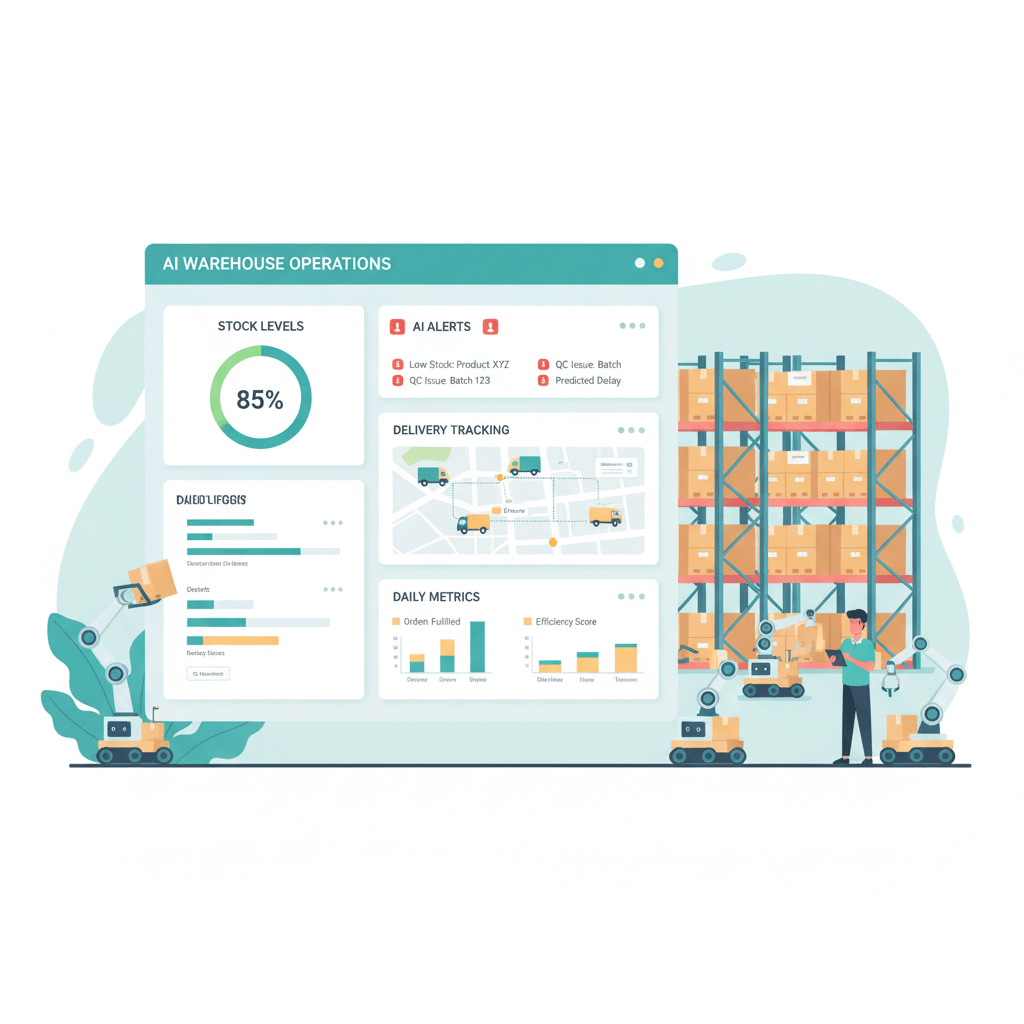
AI-powered systems continuously track inventory levels, order volumes, and even supplier performance. They can forecast demand spikes caused by seasonal trends, holidays, or viral social media moments. This ensures shelves remain adequately stocked throughout the year without unnecessary over-purchasing.
2. Supply Chain Efficiency
AI helps businesses optimize supply chain movement by predicting delivery delays, selecting the best shipping routes, and enhancing warehouse management. As a result:
Delivery times reduce
Warehouse storage becomes more efficient
Human errors decrease dramatically
3. Cost Reduction Benefits
By preventing overstocking, optimizing storage, and reducing reliance on manual workforce hours, AI can cut operational costs by up to 35–45% depending on business size. These savings can be reinvested into marketing, customer service, or expansion
Chatbots and Customer Service
AI-driven chatbots have redefined customer service by offering instant responses and 24/7 assistance—even during peak traffic seasons.
1. 24/7 Customer Support
AI chatbots can answer FAQs, track orders, process returns, and even guide customers toward suitable products based on their queries. This not only accelerates response time but also allows human teams to focus on complex issues that require personalized attention.
2. Improved Customer Satisfaction
Studies show that:
Over 67% of online shoppers prefer brands that offer AI-assisted live chat.
Businesses using AI chat support report up to a 45% increase in customer satisfaction scores.
Automated responses reduce average resolution time from minutes to just a few seconds.
AI-powered support systems ultimately create seamless user experiences—boosting trust and increasing repeat purchases.

Future Trends: What’s Ahead for AI in E-commerce
The next decade of E-commerce development will be defined by even more advanced AI innovations.
1. Voice Commerce
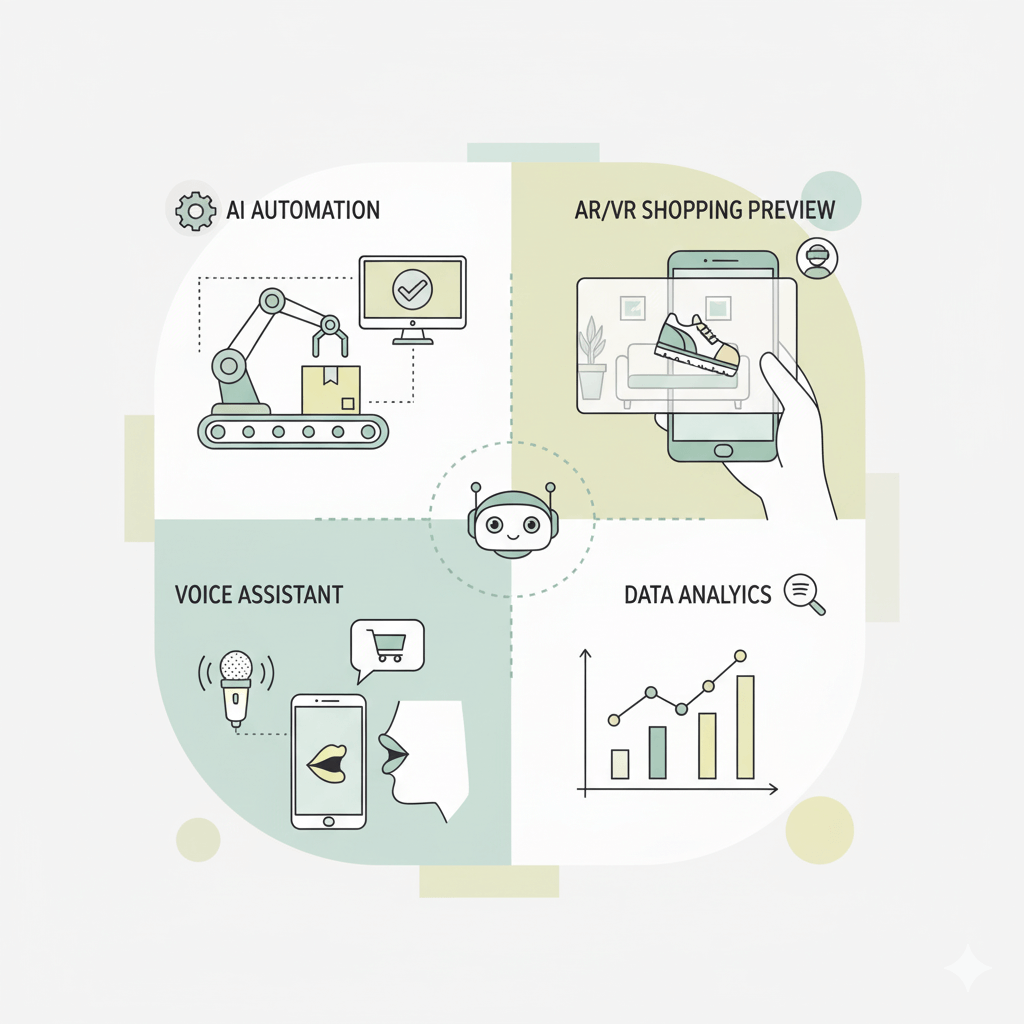
Voice-activated shopping will grow rapidly as more households adopt smart speakers. AI will help users search, compare, and purchase products through simple voice commands.
2. AR/VR Shopping Experiences
One of the most exciting advancements will be the integration of Augmented Reality (AR) and Virtual Reality (VR). Customers will be able to:
Virtually try clothes before buying
Place a 3D version of furniture inside their room
Walk through virtual stores using VR headsets
These immersive shopping experiences will significantly reduce returns and boost buyer confidence.
3. Autonomous Delivery
Drones and self-driving AI vehicles will offer ultra-fast, cost-efficient delivery—reshaping the logistics landscape forever.
Conclusion
AI has firmly positioned itself as the ultimate game-changer for modern E-commerce development. From personalized customer interactions to efficient inventory management and futuristic shopping experiences, AI empowers businesses to grow smarter, faster, and more profitably.
Now is the perfect time for businesses to embrace AI tools and strategies. Companies that invest in AI today will lead tomorrow’s digital marketplace with innovation, efficiency, and unmatched customer satisfaction.